Share this article

JAX Webinar Series 2026 – Topic 1: Beginning a Journey of Knowledge Sharing with the Research Community

🧬 Supporting Reproducibility & the 3Rs with Effective Mouse Colony Management

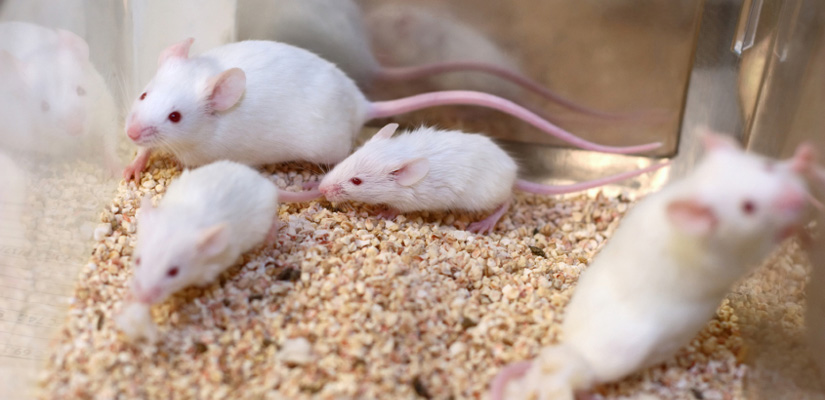
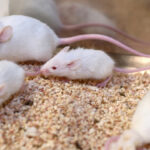
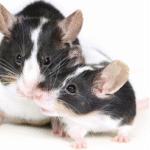
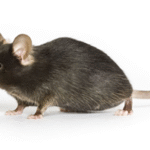
Effective mouse colony management goes beyond maintaining breeding colonies—it plays an important role in supporting research reproducibility, operational efficiency, and animal welfare. In Topic 1 of the JAX Webinar Series 2026, key practical considerations for building and maintaining well-managed research mouse colonies were discussed, from breeding performance and colony record-keeping to genetic management and genotyping.

🔬 Key Takeaways

The webinar focused on three important areas: 1. Understanding Breeding Performance – Both genetic and environmental factors can influence mouse reproductive performance. Understanding these factors is important when evaluating breeding challenges and optimizing colony management. 2. Good Record-Keeping Supports Better Colony Decisions – Accurate colony records, including pedigree, breeding history, reproductive performance, genotype, and generation number, can help researchers identify trends, monitor colony performance, and make more informed management decisions. 3. Genotyping Is Essential for Colony Integrity – Appropriate genotyping strategies, assay optimization, controls, and contamination prevention are important for maintaining genetic accuracy and supporting reliable experimental outcomes. Together, these practices contribute to more thoughtful colony management aligned with the 3Rs—Replacement, Reduction and Refinement—while helping improve the consistency and reproducibility of research.

💡 Practical Q&A with Dr. Neeraj

During this topic, Dr. Neeraj also addressed several practical questions related to common challenges faced by research teams in managing and maintaining mouse colonies.

🧬 Q1. How can genetic drift be minimized in small colonies?
💬 Dr. Neeraj: “Genetic drift does pose a bigger risk to small colonies compared to big colonies, just because if a mutation does arise, statistically you have a higher probability of using that mutant mouse for breeding and propagating that mutation. The best protection here will be pedigrees. This way, if one pedigree is lost to drift, you still have your other pedigrees intact. And just as with any colony, again, refreshing your breeders regularly will help keep drift at bay.”

🐭 Q2. What husbandry or enrichment practices can be used to improve breeding performance?
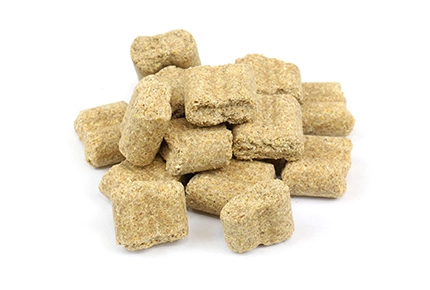
💬 Dr. Neeraj: “So there are some general tips you can try to boost breeding performance. As discussed earlier in the presentation, maybe the most crucial is taking all of those steps to reduce any potential stressors in your colony rooms. Be sure anyone interacting with the mice is experienced, quiet, and isn’t checking on or handling the mice too often. Check on potential ultrasonic noise or vibrations. Keep your breeders in the darkest corner of the colony room, if possible. There are also some different rodent diets out there that are designed to support reproduction, with higher fat content, for example. You can try those out. There is going to be some strain-to-strain variability in what is preferred. Some strains might do best with one type of enrichment; another strain might prefer a different enrichment. So there could be some troubleshooting and testing to do to figure out what works best for that particular strain in your particular facility.”

❄️ Q3. What are the best practices for maintaining a small colony to keep the line viable and readily available for research, particularly for a strain that is not commercially available?
💬 Dr. Neeraj: “My top suggestion in this case would be to cryopreserve your strain. If no one is actively using this mouse strain, it doesn’t make much sense to keep it live on the shelf, investing resources in it and discarding mice without using them in a study. It can be more cost-effective in the long run to freeze down the line and just cryorecover them once researchers are wanting to use them. This will also protect you against any kind of disaster that hits your colony—if something happens and the colony is lost, you have that cryopreserved stock to go back to. But if you do need to maintain some live animals but just want to keep it as small as possible, I probably wouldn’t go any smaller than maybe four breeding trios, something like that. Because, of course, there is always individual variability in breeding performance, and if you go any smaller than that, there’s a higher risk that you might get unlucky and have a batch of just non-productive breeders, and you risk losing your colony altogether.”

🔍 Q4. How can I determine whether poor breeding performance is caused by genetic or environmental factors?
💬 Dr. Neeraj: “Start by reviewing the strain’s known reproductive characteristics, genetic background, and any mutations that could affect fertility or viability. If breeding performance suddenly declines in an otherwise stable colony, investigate environmental changes such as temperature fluctuations, construction noise, vibrations, lighting changes, husbandry practices, nutrition, or health status. Maintaining detailed breeding records can help distinguish long-term genetic issues from recent environmental disruptions.”

📊 Q5. What is the most important breeding record that researchers often overlook?
💬 Dr. Neeraj: “Generation number is one of the most commonly overlooked but important records. Tracking generations helps monitor genetic drift, informs backcrossing decisions, and supports reproducibility. Without generation tracking, colonies can gradually diverge genetically from the original strain, potentially affecting experimental outcomes.”

⚠️ Q6. What indicators suggest that genetic drift may be occurring in my colony?
💬 Dr. Neeraj: “Potential signs include unexpected changes in phenotype, altered breeding performance, differences in disease susceptibility, behavioral changes, or variability in experimental outcomes compared with historical data. Tracking generation numbers, maintaining pedigrees, and periodically refreshing breeders can help minimize these risks.”

🔬 Why Effective Colony Management Matters

The discussion highlights that effective mouse colony management is not only about maintaining breeding performance. Genetic management, accurate record-keeping, appropriate husbandry, genotyping, and cryopreservation when appropriate can all contribute to maintaining consistent research models. By proactively managing these factors, research teams can better support research reproducibility, colony sustainability, and responsible animal use in line with the 3Rs.

🎥 Watch & Learn More

Want to explore the topic in greater detail? Watch the full JAX resource, “Supporting Reproducibility & the 3Rs with Effective Mouse Colony Management”, to learn more about the genetic and environmental factors affecting breeding, colony record-keeping, genetic management, and genotyping.

https://resources.jax.org/jax-on-demand/supporting-reproducibility-the-3r-s-with-effective-mouse-colony-management-02102026


🔔 Follow i-DNA Knowledge Hub for more scientific insights, practical Q&A, and upcoming topics from the JAX Webinar Series 2026.

[ Comprehensive solution ]

Might be you like

Biologic Fluid

Biologic Fluid

Biologic fluids are essential resources for biomedical research, diagnostics, and therapeutic development. They play a critical role in studying disease mechanisms, drug responses, and human biology through samples such as plasma, serum, whole blood, and specialized disease-state products. Biologic fluids are indispensable for preclinical studies, translational research, and the advancement of personalized medicine. Partnerships & Collaborations i-DNA collaborates with globally recognized suppliers such as Innovative Research, BPS Bioscience, and many other trusted partners. These collaborations ensure that researchers have access to high-quality, ethically sourced biologic fluids, enabling reliable and reproducible scientific outcomes.
Learn more arrow-green
Biological Decontamination Services

Biological Decontamination Services

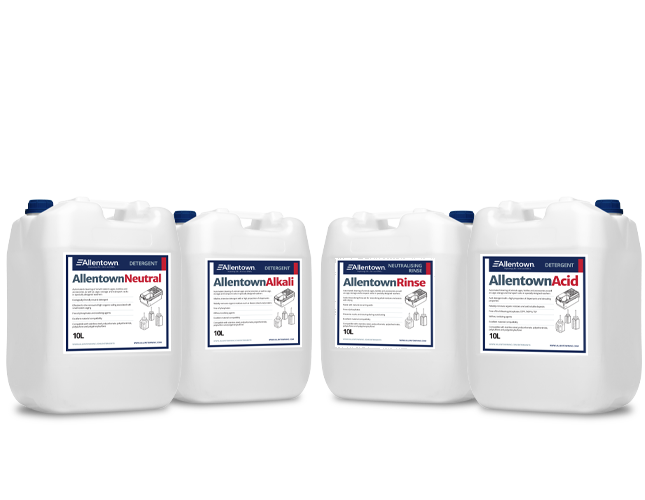
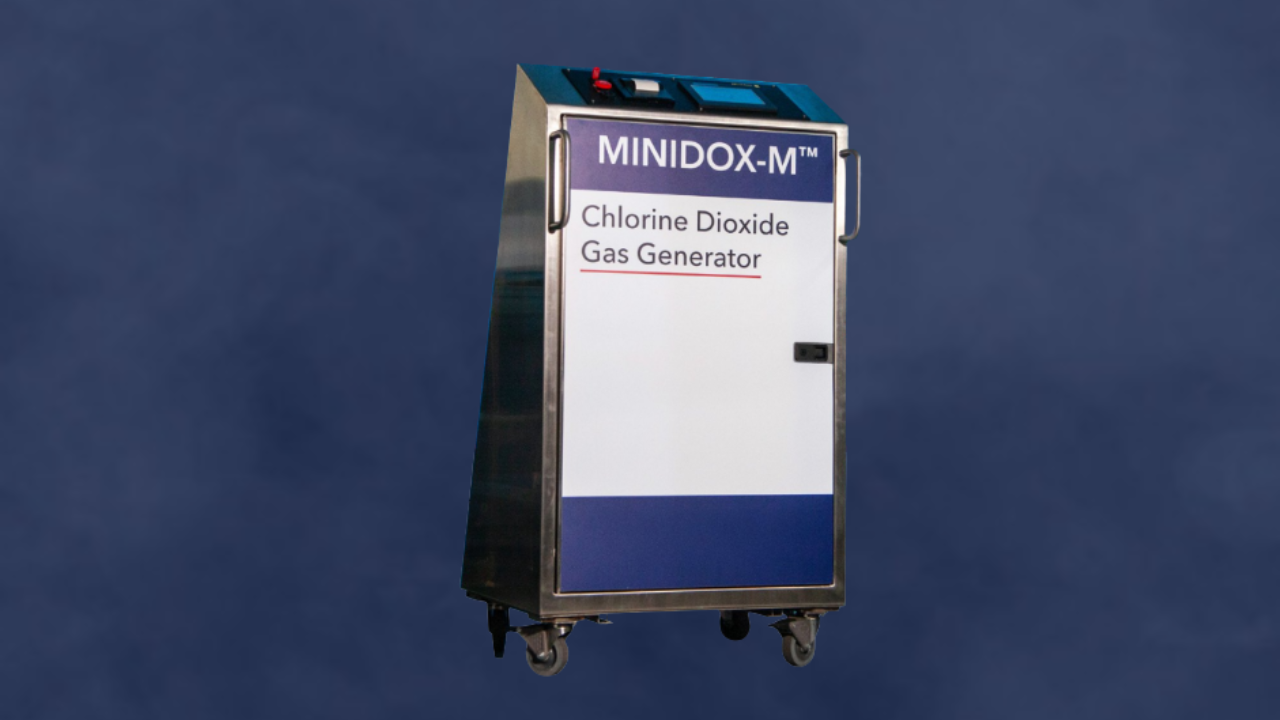
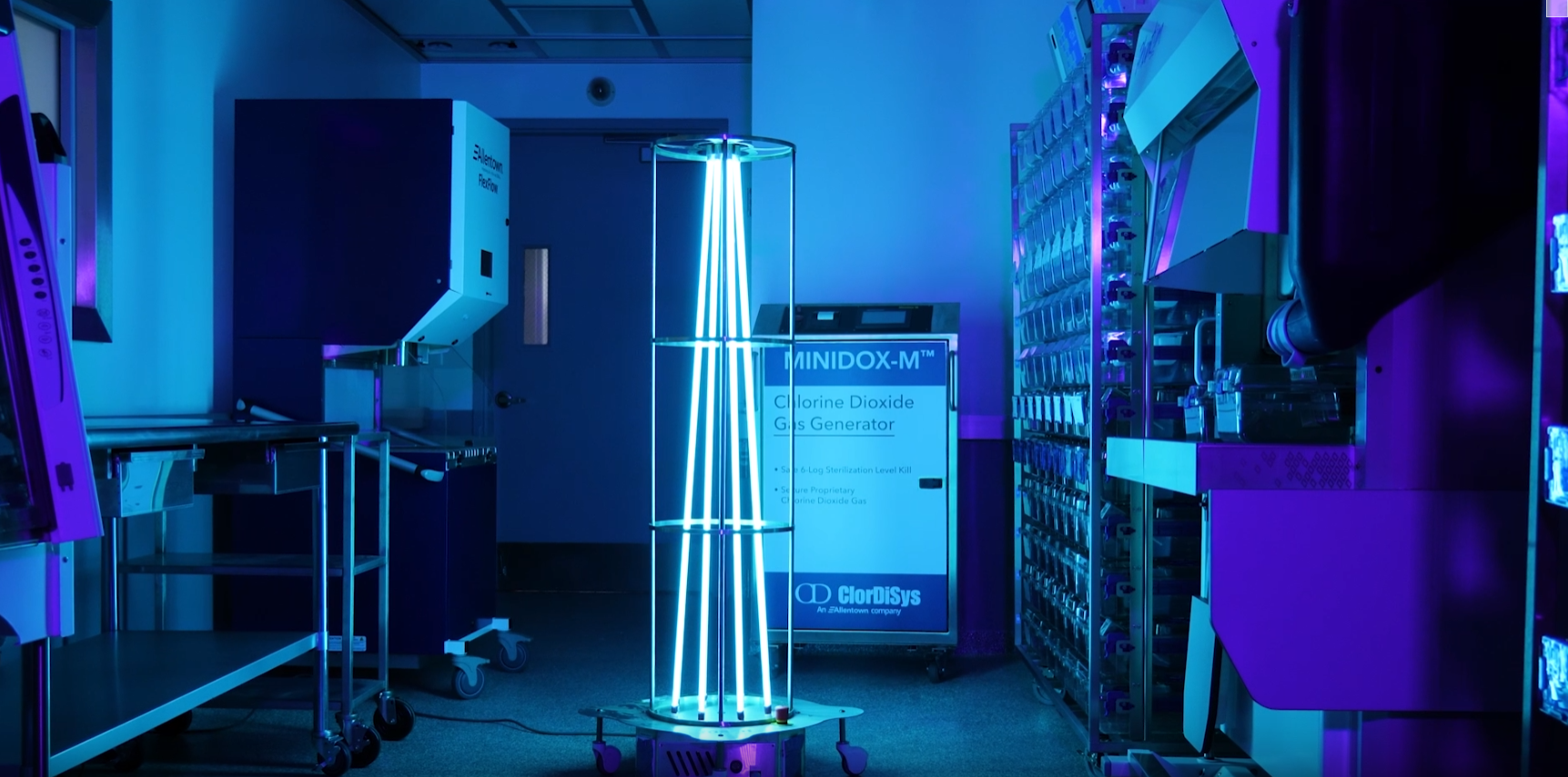
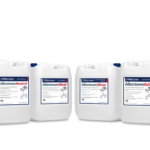
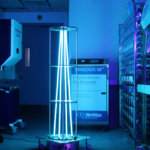
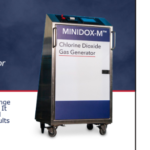
Biological decontamination services play a critical role in ensuring biosafety across research facilities, hospitals, and laboratories. These solutions protect people, safeguard the environment, and preserve data integrity by effectively eliminating harmful contaminants. Advanced decontamination technologies not only provide safety and compliance but also support the continuity of biomedical research and production processes. Partnerships & Collaborations i-DNA partners with Allentown Inc. (USA) and Biosafety, two globally recognized leaders in biosafety solutions. Together, we provide a complete range of decontamination services and products, including Decon+ PureClor, Decon+ Flash-UV, MinidoxM equipment, Hydrogen Peroxide and Chlorine Dioxide systems, as well as supporting tools such as biological indicators and specialized detergents (Allentown Alkali, Acid, Rinse, Neutral).
Learn more arrow-green
Chemicals

Chemicals

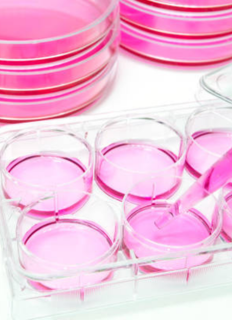
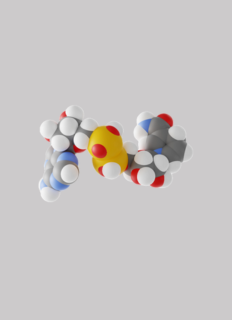
Chemicals are fundamental to biotechnology, biomedical research, and preclinical studies, serving as the building blocks for experimental design, molecular biology, and drug development. They provide essential reagents for assays, diagnostics, and therapeutic innovation, enabling researchers to conduct reliable and reproducible studies. From fine chemicals to specialized reagents, this category supports advancements in life sciences and contributes to breakthrough discoveries in healthcare and medicine. Partnerships & Collaborations i-DNA partners with many of the world’s leading chemical suppliers, including Cayman Chemicals, AG Scientific Chemicals, Accurate Chemicals, Advanced Immuno Chemicals, ATS Chemicals, AnaSpec Chemicals, Anatrace Chemicals, BPS Bioscience Chemicals, BroadPharm Chemicals, and EMP Biotech Chemicals, along with many other trusted global partners. These collaborations ensure that I-DNA delivers a comprehensive portfolio of high-quality chemicals for diverse research applications.
Learn more arrow-green
Laboratory Animal Science

Laboratory Animal Science
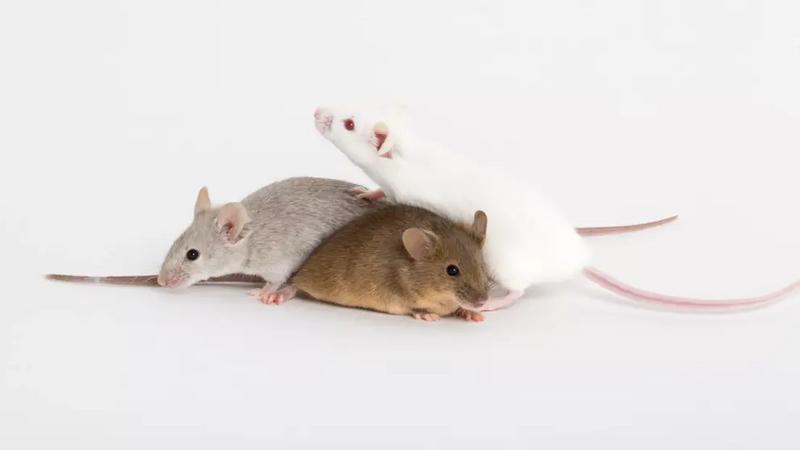
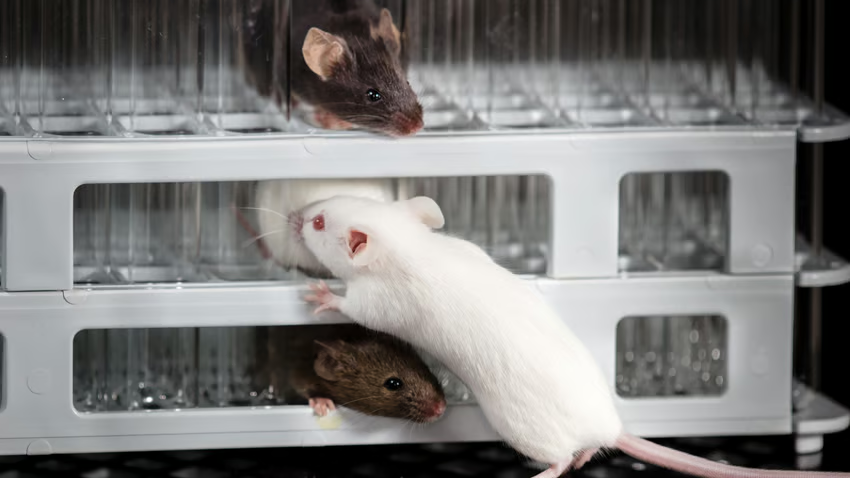
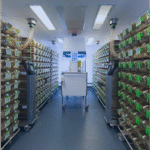
i-DNA Biotechnology is a globally trusted distributor in Laboratory Animal Science, offering a comprehensive portfolio of products supporting preclinical research, drug development, biotechnology, and biomedical sciences. Through strategic partnerships with leading global brands such as The Jackson Laboratory (JAX), Charles River Laboratories, Allentown, BioBubble, Biolasco, and Matachana, i-DNA acts not only as a distributor but also as a trusted technical partner, delivering integrated solutions from animal models to housing systems, laboratory equipment, and specialized biological logistics.
Learn more arrow-green
Services

Services
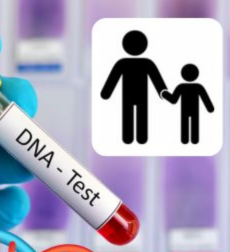
i-DNA provides a growing portfolio of testing services designed to support biotechnology, biomedical research, and preventive healthcare. Each service is built on advanced laboratory standards, delivering accurate results, practical insights, and actionable guidance for individuals and organizations. Beyond the current offerings, i-DNA is continuously expanding its testing services to include more advanced solutions as new technologies and customer needs emerge. 🔬 Key Services Available Now: DNA Paternity Testing – Establishes biological family relationships with high accuracy, supporting applications in family assurance and personal verification. NAD+/NADH Testing – Evaluates cellular energy balance, helping identify fatigue, aging risks, and metabolic health challenges, with recommendations for lifestyle optimization.

Learn more arrow-green

Test Kits

Test Kits

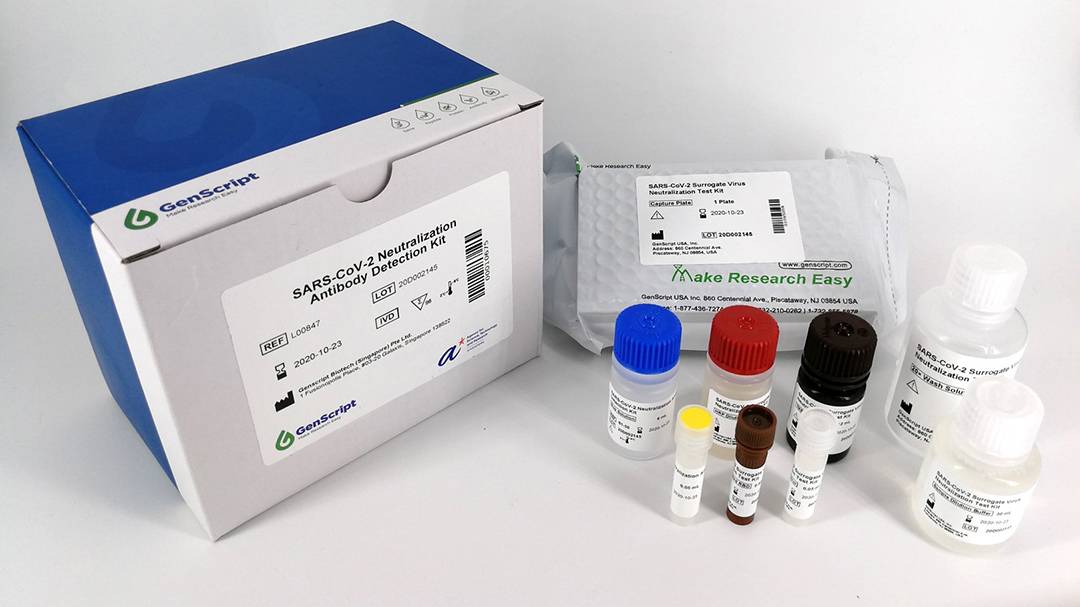
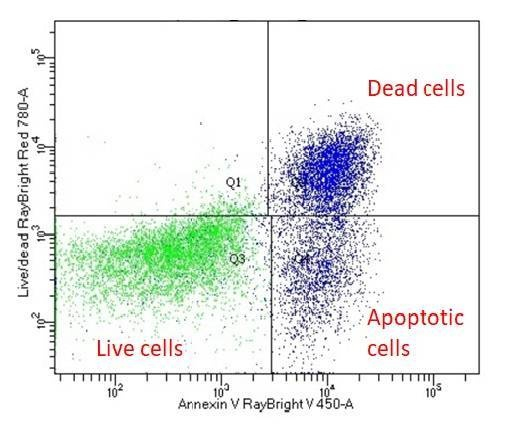
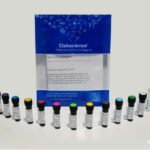
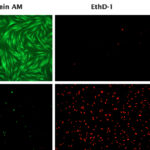
Test Kits are essential tools in biotechnology, biomedical research, and preclinical studies, enabling precise measurement and detection of biological activities, cell responses, and molecular interactions. They are widely applied in areas such as drug discovery, toxicology, immunology, and disease research, providing reliable results for scientific advancements. From enzyme activity and oxidative stress to apoptosis detection and ELISA kits, these solutions support comprehensive experimental designs and reproducibility in modern laboratories. Partnerships & Collaborations i-DNA partners with leading global suppliers renowned for their innovation and product quality in assay development. This extensive network ensures that researchers have access to the most advanced and validated Test Kits available worldwide.
Learn more arrow-green